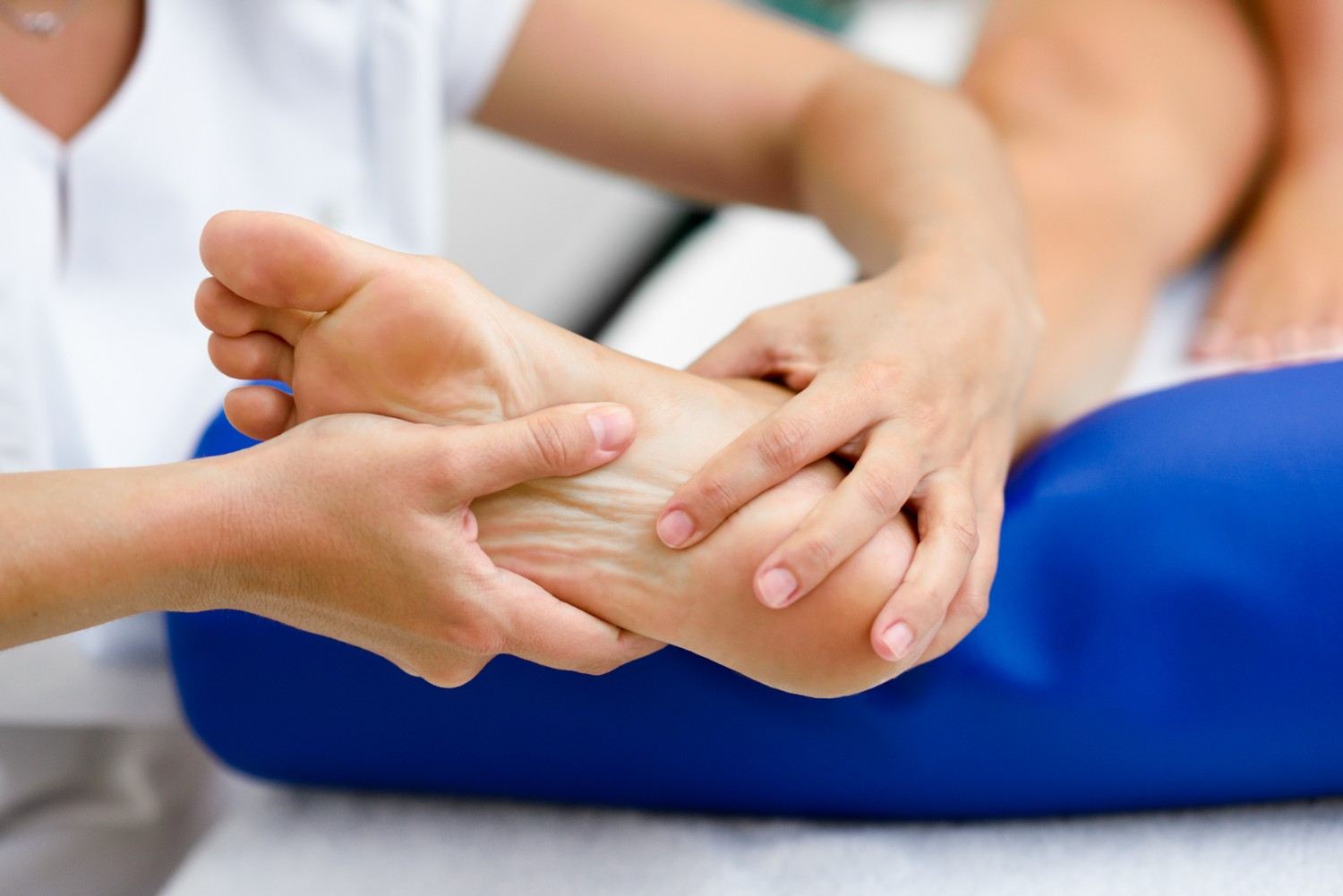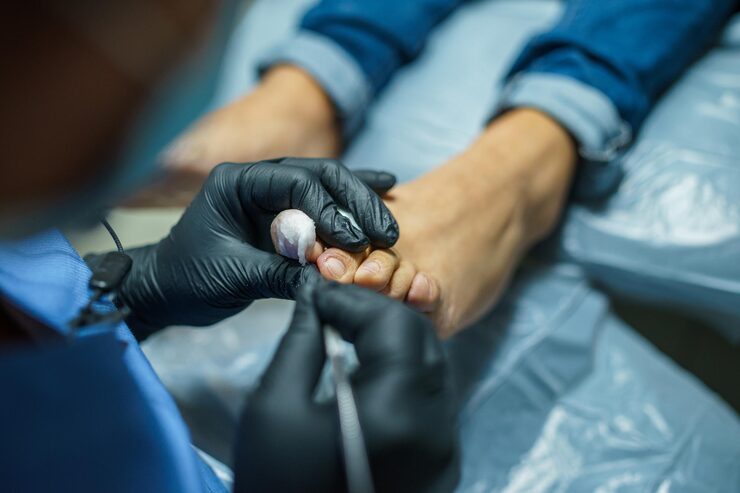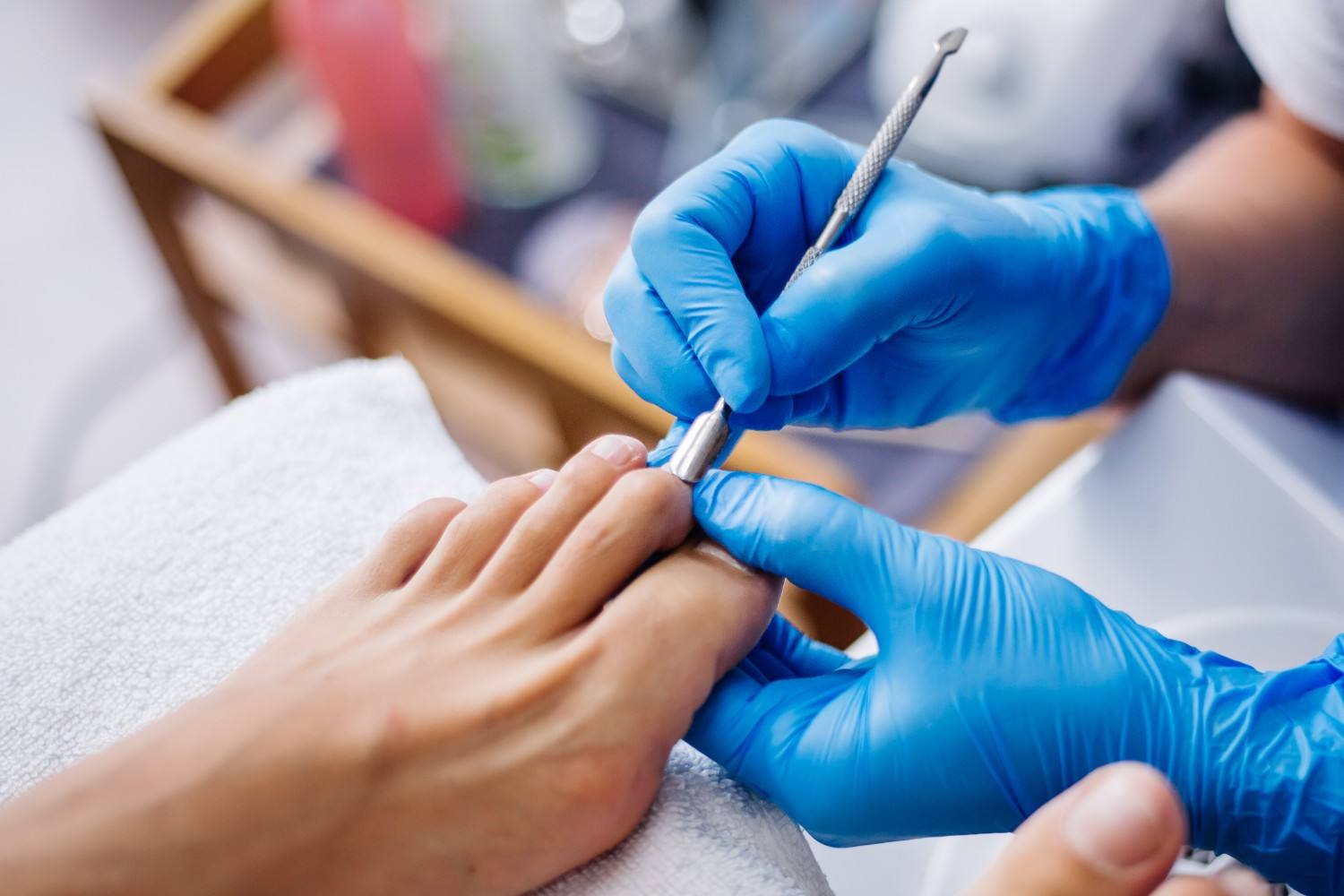
An ingrown toenail happens when the edge of the nail grows into the skin beside it. It can cause pain, redness, swelling, and soreness. Ingrown toenail treatment in Inglewood can help ease these problems and prevent them from worsening. Treatment depends on how far the nail has grown into the skin and if there is an infection. Mild cases may improve with simple care, while serious or recurrent cases may require professional treatment. During a visit, the toe can be checked to find the cause and choose the right treatment.
What Causes an Ingrown Toenail?
A toenail can grow into the skin for several reasons. Common causes include:
- Cutting the toenails too short or cutting the edges too round.
- Wearing tight shoes that press against the toes
- Injury to the toenail
- Naturally curved or unusually shaped nails
- Repeated pressure on the toes
Understanding the cause can help reduce the chance of the problem returning. Proper nail care and well-fitting shoes are often important parts of prevention.
How Can an Ingrown Toenail Be Prevented?
Simple habits may lower the risk of an ingrown toenail. When choosing an ingrown toenail treatment near you, prevention advice can also help protect the toe after treatment.
Helpful steps include:
- Cut toenails straight across instead of rounding the corners.
- Avoid cutting nails too short.
- Choose shoes with enough room around the toes.
- Keep the feet clean and dry.
- Avoid picking at or digging into the skin beside the nail.
Check the toes regularly for early signs of redness or swelling.
How Does a Podiatrist Treat an Ingrown Toenail?
A podiatrist in Inglewood may begin by examining the toenail, surrounding skin, and any signs of infection. The treatment depends on the severity of the ingrown nail.
For a mild case, care may include reducing pressure on the toe and guiding the nail as it grows. When the nail is causing significant pain or has become deeply embedded, part of the nail may need to be removed.
What Happens During Nail Removal?
If nail removal is needed, the area is usually numbed first. A small section of the nail edge can then be removed so it no longer presses into the skin. In some cases, part of the nail root may also be treated to reduce the chance of that section growing back.
A podiatrist near you can also provide aftercare instructions to support healing and reduce irritation.
When Should an Ingrown Toenail Be Checked?
Professional care may be needed if pain, swelling, or redness persists or worsens. Treatment should not be delayed when there is drainage, increasing warmth, or other signs that may suggest infection.
Prompt assessment is also important when an ingrown toenail keeps coming back. Repeated problems may need a more lasting treatment approach rather than repeated home care.
What Can Be Expected After Treatment?
After ingrown toenail treatment in Inglewood, your toe may feel sore for a short time. Keep the area clean, follow your wound-care instructions, and avoid putting pressure on the toe to help it heal.
The exact recovery time depends on the type of treatment used and the condition of the toe. Follow-up may be recommended when additional care is needed.
Get the Right Care for an Ingrown Toenail!
An ingrown toenail can become more painful when the nail continues to press into the surrounding skin. Early attention can help manage discomfort and reduce the risk of the problem worsening.
If you need ingrown toenail treatment near you, book an appointment with Legacy Foot & Ankle Center. A podiatrist in Inglewood can check your toe, explain your treatment options, and provide care based on your nail’s condition.
FAQs
Can an ingrown toenail heal on its own?
A mild ingrown toenail may improve with proper foot care and reduced pressure on the toe. If pain, swelling, or redness does not go away, see a healthcare professional.
Is ingrown toenail removal painful?
The toe is generally numbed before a nail section is removed. This helps reduce discomfort during treatment. Some tenderness may occur afterward.
How long does an ingrown toenail take to heal?
Healing time varies based on the severity of the problem and the treatment used. Following aftercare instructions can help support normal healing.
Can an ingrown toenail come back after treatment?
Yes. An ingrown toenail can return, especially when the nail shape, footwear, or nail-cutting habits continue to cause pressure. In some cases, additional treatment may reduce recurrence.