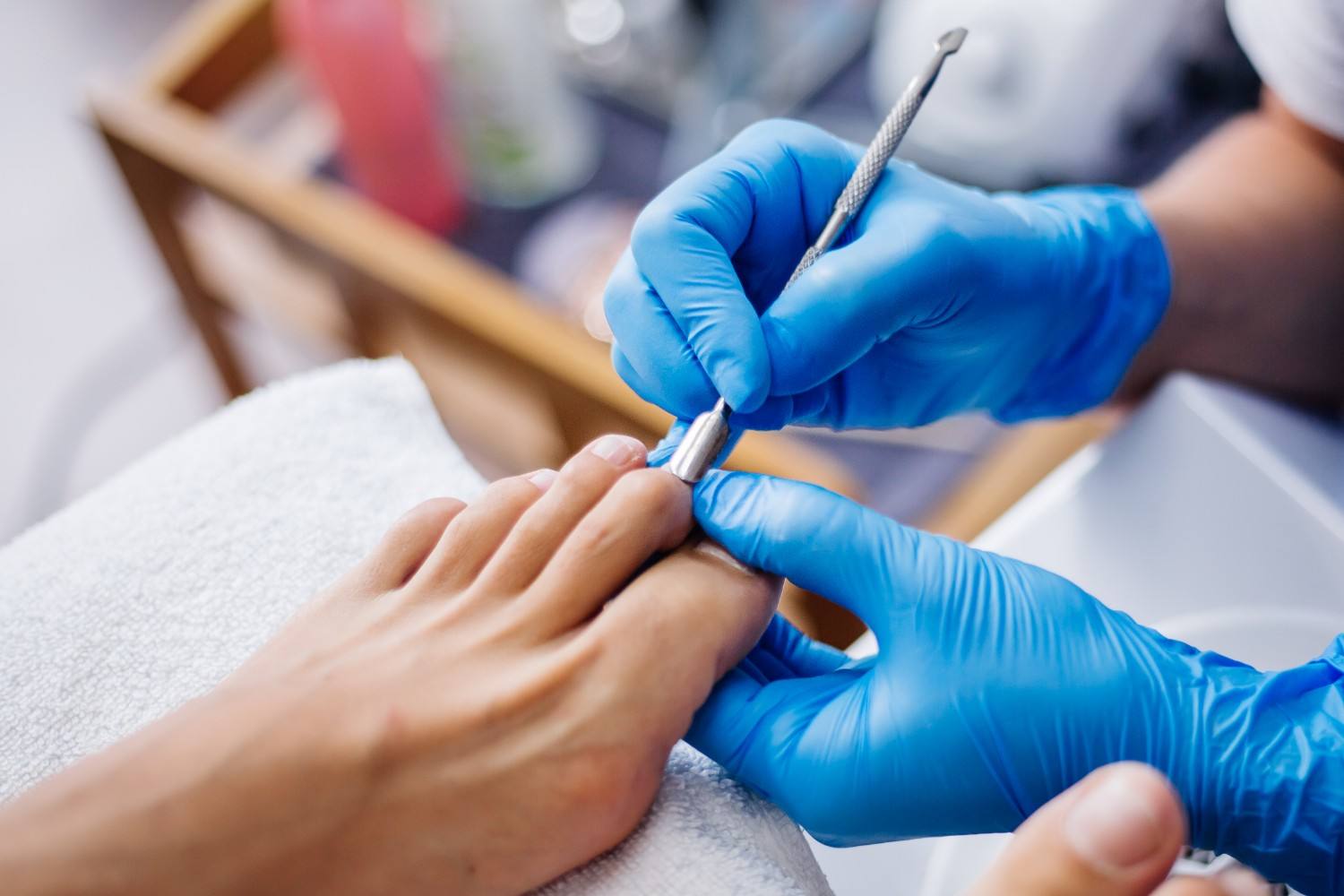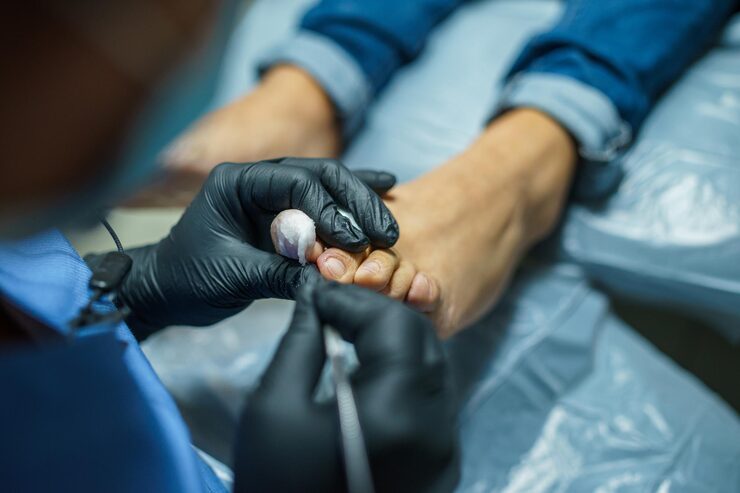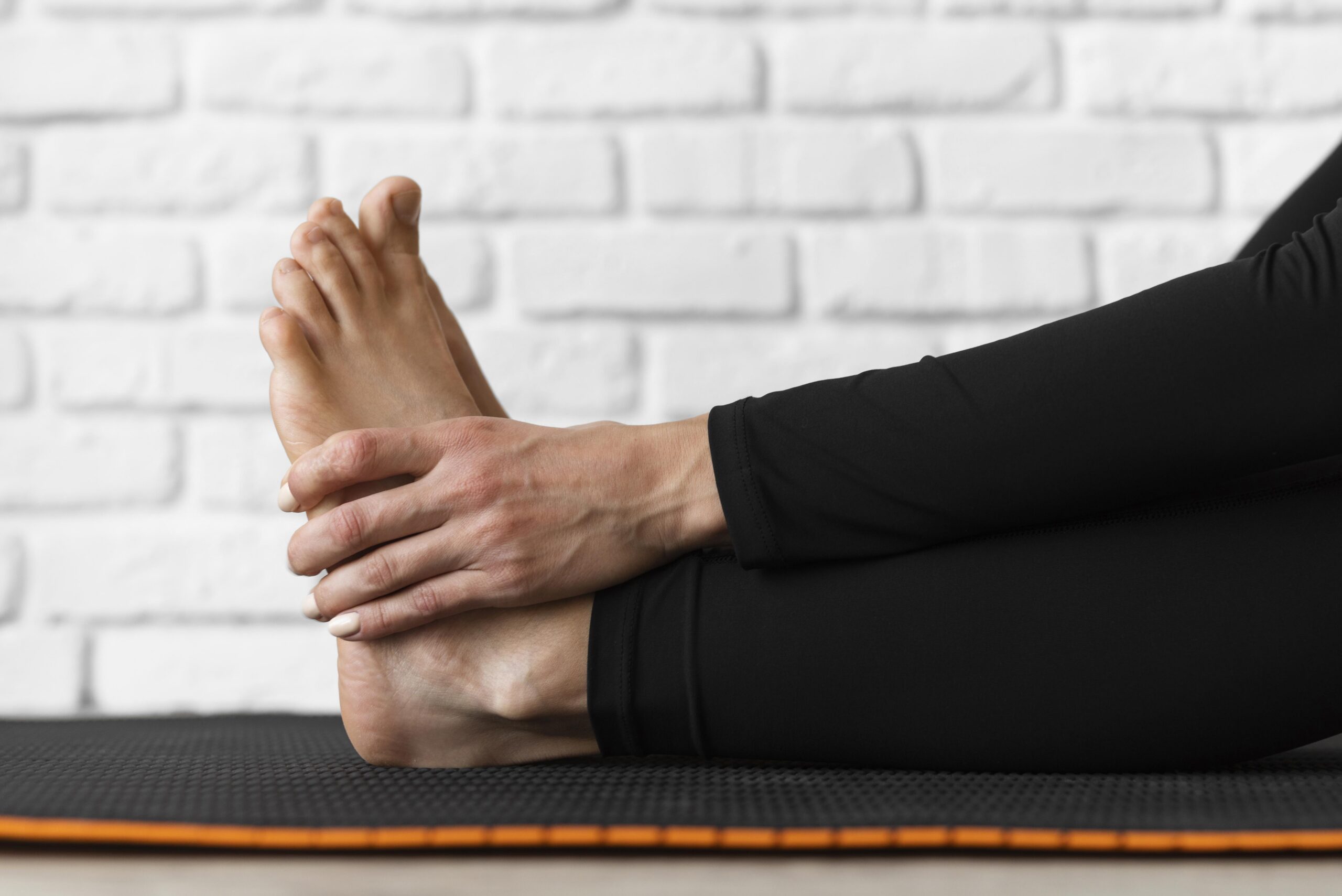
Heel pain can make walking, standing, or using stairs difficult. The right treatment depends on what is causing the pain. Plantar fasciitis, heel injuries, and other foot problems may need different treatments. Plantar warts treatment in Wilmington is for a different problem and does not treat plantar fasciitis. For plantar fasciitis, care may include rest, gentle stretching, supportive shoes, and reducing pressure on the heel.
If the pain continues or worsens, a foot checkup can help identify the cause and choose the right treatment.
What Causes Plantar Fasciitis and Heel Pain?
Plantar fasciitis develops when the thick band of tissue along the bottom of the foot becomes irritated. Repeated stress on this tissue can lead to heel pain, especially near the bottom or front of the heel.
Common factors that may contribute include:
- Spending long periods standing
- Running or other high-impact activities
- Wearing shoes with poor support
- Tight calf muscles
- Sudden increases in physical activity
- Having certain foot shapes or walking patterns
Heel pain can also have other causes, so persistent symptoms should be assessed rather than assumed to be plantar fasciitis.
What Are the Common Signs?
Pain from plantar fasciitis often feels strongest during the first steps after waking or after sitting for a long time. It may ease with movement and return after prolonged standing or activity.
Other symptoms may include:
- Pain near the bottom of the heel
- Tenderness when pressing the affected area
- Discomfort after exercise
- Stiffness after resting
- Pain that worsens after long periods on the feet
A podiatrist near you can examine the foot and help determine whether plantar fasciitis is the likely cause.
What Is the First Treatment for Plantar Fasciitis?
For many cases, treatment begins with simple measures that reduce stress on the irritated tissue. Improvement can take time, so following a consistent care plan is important.
Helpful steps may include:
- Resting from activities that increase heel pain
- Applying ice to the painful area
- Stretching the calf and the bottom of the foot
- Wearing supportive shoes
- Using cushioned or supportive inserts when recommended
- Gradually returning to normal activity.
The right combination depends on the severity of the pain and the activities that may be contributing to it.
When Should Heel Pain Be Checked?
Heel pain that does not improve with basic care may need a professional assessment. Severe pain, swelling, difficulty walking, or pain that follows an injury also deserves attention.
A podiatrist in Wilmington can examine the foot and review symptoms, activity levels, footwear, and other factors. Imaging may sometimes be used when another cause of heel pain needs to be ruled out.
Early evaluation can help avoid continuing activities that may worsen the problem.
What Treatments May Help When Pain Continues?
If basic measures do not provide sufficient relief, additional treatment may be considered based on the condition’s cause and severity.
Treatment options may include:
- Guided stretching and strengthening exercises
- Physical therapy
- Custom or recommended foot supports
- Changes to footwear or daily activities
- Other treatments based on the specific cause of pain
The goal is to reduce irritation, improve foot function, and allow the affected tissues time to recover.
Can Plantar Warts Cause Heel Pain?
Plantar warts and plantar fasciitis are different foot conditions. A plantar wart is caused by a viral infection and often appears as a rough growth on the sole. It may become painful when pressure is placed on it.
Plantar wart treatment near you may be appropriate when a wart is causing discomfort, but it is not a treatment for plantar fasciitis. Identifying the actual cause of heel pain is important before choosing treatment.
How Can Heel Pain Be Prevented?
Reducing repeated stress on the feet may help reduce the risk of recurrent heel pain. Small changes to daily activities and footwear can make a difference.
Consider these habits:
- Choose shoes with good support and cushioning.
- Increase exercise intensity gradually.
- Stretch regularly, especially before and after activity.
- Avoid spending unnecessary time barefoot on hard surfaces.
- Replace worn-out athletic shoes.
- Maintain a healthy activity level that does not worsen symptoms.
If heel pain keeps returning, a podiatrist near you can help identify possible contributing factors.
Get the Right Care for Persistent Heel Pain!
Plantar fasciitis often improves with consistent care, activity changes, stretching, supportive footwear, and other treatments when needed. Since several conditions can cause similar heel pain, identifying the cause is an important first step.
If you need plantar wart treatment near you or have ongoing heel discomfort that needs assessment, schedule an appointment with Legacy Foot & Ankle Center. A foot evaluation can help identify the problem and guide appropriate care for healthier, more comfortable movement.
FAQs
How long does plantar fasciitis take to improve?
It can take different amounts of time for each person. Mild pain may get better with regular care, while severe or long-lasting pain may need professional treatment and more time to heal.
Should walking be avoided with plantar fasciitis?
Complete rest is not always necessary. However, activities that clearly increase pain may need to be reduced or changed while the foot heals.
Are supportive shoes helpful for heel pain?
Supportive footwear may reduce pressure on the bottom of the foot and make walking more comfortable. The best shoe depends on the foot and the cause of the pain.
Can plantar fasciitis return after it improves?
Yes. Heel pain can return when the factors that contributed to it are still present, such as sudden increases in activity, poor footwear, or repeated strain.